
Views: 0 Author: Site Editor Publish Time: 2026-07-02 10:57:45
Professional dust filter bag maintenance tips to solve bag caking and burning issues, optimize pulse cleaning cycles, cut dust filter bag replacement costs and keep baghouse emission compliance for industrial factories.
For industrial flue gas and dust pollution control, the dust filter bag is the most vital consumable component of all baghouse dust collectors. Numerous manufacturing plants encounter recurring dust filter bag damage, unstable exhaust emissions and high recurring operation costs. The root cause of these troubles almost always comes from unscientific daily care of dust filter bags.
Below are 4 actionable core maintenance standards for dust filter bags, summarized by industrial environmental equipment experts. On-site maintenance teams can follow these operations strictly to prolong dust filter bag service life, slash spare part expenditure and maintain stable factory emission compliance.
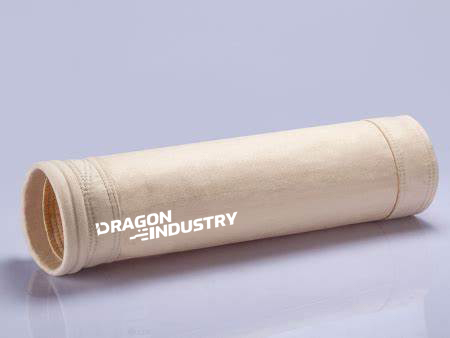
Condensation is the number one threat to any dust filter bag. The flue gas temperature must stay 20℃ higher than the dew point temperature. Complete thermal insulation is required for all ventilation pipelines and the whole dust collector shell.
Once temperature difference creates condensation, damp sticky dust will adhere firmly to the surface of dust filter bags, clog air permeable pores, raise system wind resistance and render the dust filter bag ineffective far ahead of its designed service cycle.
Over-temperature flue gas operation is strictly forbidden. Hot sparks and high-temperature solid particles will directly burn holes through the dust filter bag media.
For production lines with high-temperature waste gas or flying sparks, cooling systems and spark arrestors must be installed as supporting facilities to fully shield dust filter bags from burn-through damage.
Right after installing brand-new dust filter bags or finishing deep full ash cleaning, do not resume full-load production immediately.
Circulate dust-laden flue gas for a period of time to form an even initial dust cake layer on the exterior of each dust filter bag.
This dust cake serves as a natural protective film for the dust filter bag. It blocks ultra-fine dust particles from penetrating the filter fabric, boosts overall dust removal efficiency, and reduces abrasion & chemical corrosion on dust filter bags.
Differential pressure gauges are the authoritative reference to judge the optimal timing for cleaning dust filter bags:
Excessively high differential pressure: Over-thick dust cake blocks air flow, increases fan power consumption and adds extra load on dust filter bags;
Excessively low differential pressure: The protective dust cake layer is completely stripped away, tiny dust seeps into the fiber structure of dust filter bags and accelerates material aging.
General operation principle: Under the premise of meeting local industrial emission standards, maximize cleaning intervals and minimize single pulse blowing duration. Frequent intensive pulse cleaning will drastically shorten the service life of your dust filter bag.
Excessive ash accumulation inside dust hoppers will intensify friction abrasion at the bottom of dust filter bags. For working conditions with combustible dust, piled ash even carries spontaneous combustion risks. Ash unloading valves should be operated on a fixed schedule.
Inspect filter cages for smooth surface finishing, and verify reasonable gaps between adjacent dust filter bags. Burrs on cage frames or long-term friction between dust filter bags will cause mechanical tearing and gas leakage.
Do not shut down exhaust fans immediately after production stops. Keep fans running for several minutes to blow out residual moisture and dust trapped inside the equipment, then execute one full complete ash cleaning cycle to prevent damp, caked dust filter bags.
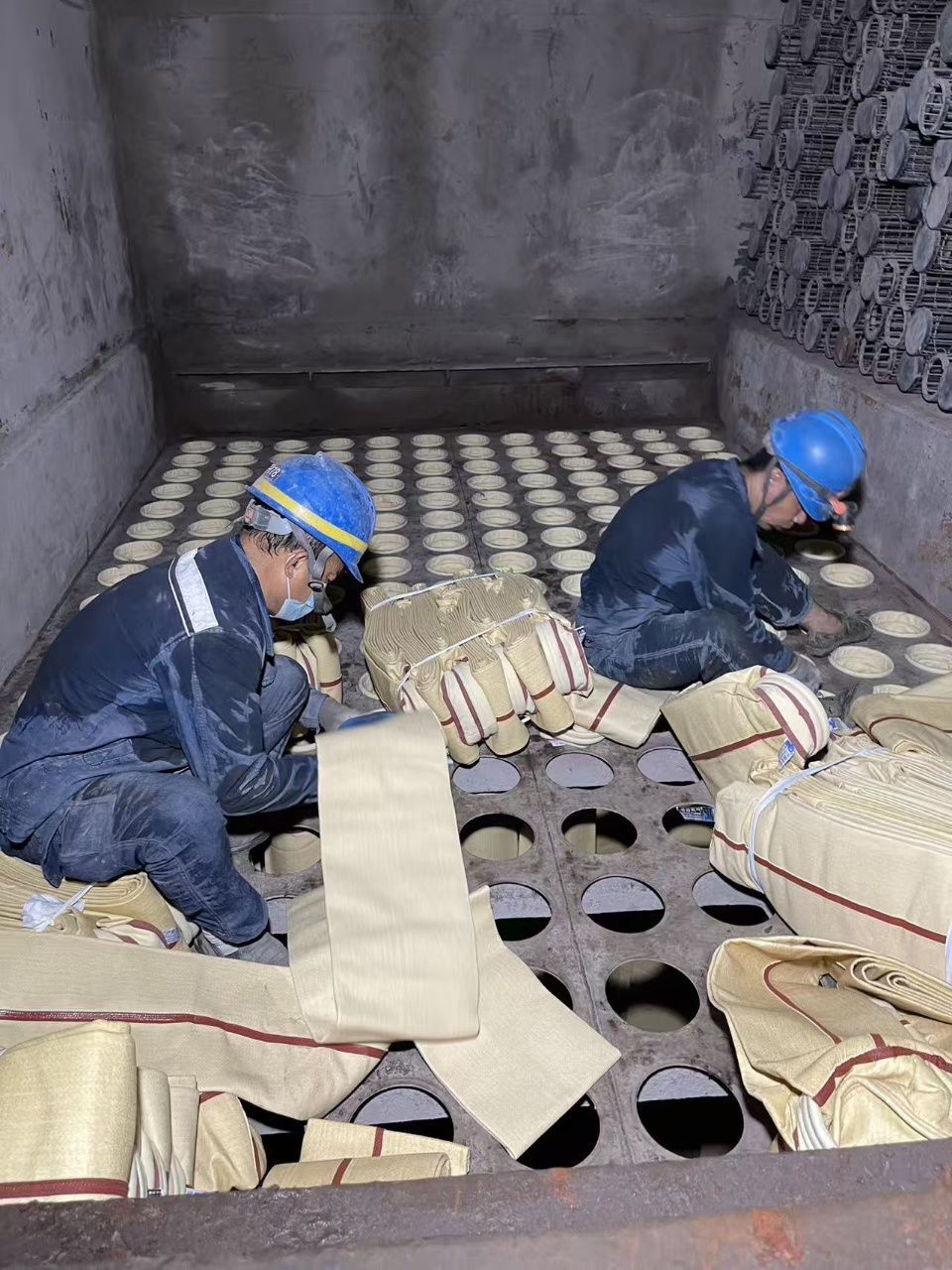
A well-known practical rule for baghouse operation: 30% proper equipment running, 70% daily maintenance.Consistent compliant emissions, extended dust filter bag lifespan and reduced long-term maintenance costs all rely on standardized dust filter bag management.
Follow the four core maintenance tips above to cut unplanned equipment downtime, lower frequent dust filter bag replacement expenses and realize steady, eco-friendly industrial production.